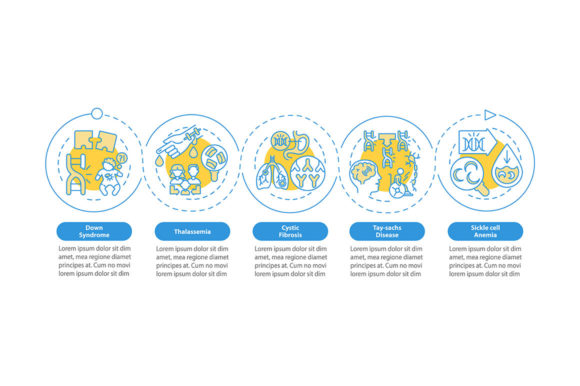
Common Genetic Diseases Vector: An Embroidery Review
As a professional embroidery designer and product reviewer, I approach every new asset with a specific question: will this actually stitch out well on fabric? When evaluating the Common Genetic Diseases Vector, my perspective shifts from digital screen to physical textile. This asset is marketed as a healthcare presentation template featuring data visualization, a five-step process timeline, and linear icons. While it originates in the Graphic Templates category, its structured layout offers unique potential for medical apparel, educational patches, and awareness merchandise. However, translating vector lines into thread requires careful consideration of stitch density, fabric texture, and visual clarity.
First Impressions: From Screen to Stitch
My initial assessment of the Common Genetic Diseases Vector focuses on its linearity and information density. The design features a workflow layout with linear icons, which suggests a clean, modern aesthetic. For an embroidery project, this minimalism is generally a strength. Complex gradients or heavy shading often fail in machine embroidery, but linear graphics translate beautifully into running stitches or narrow satin columns. The five-step timeline structure provides a natural visual rhythm that guides the eye, making it suitable for educational contexts rather than purely decorative ones.
The mood is clinical yet accessible. It does not feel overly sterile, but it is certainly serious. This dictates where the design belongs. I would not use this for casual baby embroidery or holiday gifts unless specifically requested for a medical awareness campaign. Instead, it naturally fits custom apparel for healthcare professionals, conference tote bags, or educational materials for genetic counseling centers. The visual personality is informative and trustworthy, which is exactly what clients in the medical field seek when commissioning commercial embroidery projects.
Real-World Application: The Clinic Tote Bag Test
To truly evaluate this asset, I mentally applied it to a real-life scenario: creating a branded canvas tote bag for a genetic research symposium. Canvas is a forgiving fabric texture, but it has enough weave that tiny details can get lost. The Common Genetic Diseases Vector, with its process timeline chart, would serve as an excellent conversation starter on such a bag.
In this application, the linear icons would likely be digitized as satin stitches or thick running stitches to ensure visibility against the canvas. The text elements accompanying the five steps are critical here. If the original vector contains small typography, I must verify if it remains legible when stitched. In my experience, text smaller than 4mm often becomes illegible on textured fabrics. For this tote bag design, I would recommend enlarging the graphic to fill at least a 5x7 hoop size to maintain clarity. The result would be a professional, high-value handmade product that communicates expertise instantly. Customers at a symposium trust vendors who present clear, accurate information, and a well-executed embroidered patch or direct-to-garment stitch reinforces that brand consistency.
Navigating Fabric Limitations and Hoop Sizes
While the Common Genetic Diseases Vector is versatile, it demands respect for technical limitations. Not all fabrics are created equal, and this infographic-style design behaves differently across substrates.
- Stretchy Fabrics: On sweatshirts or performance wear, the linear nature of the timeline could distort if the stabilizer is inadequate. A cut-away stabilizer is non-negotiable here to prevent the "process timeline" from warping after washing.
- Caps and Curved Surfaces: I would advise extreme caution using this specific workflow layout on caps. The horizontal span of a five-step chart often exceeds the safe stitching area of a standard cap frame. Unless you have a wide-cap attachment and can resize without distorting proportions, stick to flat surfaces like aprons, pillow covers, or jacket backs.
- Dark vs. Light Fabrics: Linear icons rely on contrast. On dark navy scrubs, white or bright yellow thread is essential. However, dense fill stitches behind the text might make the garment stiff. Testing on scrap fabric is mandatory to balance coverage with drape.
- Sheer or Thin Materials: Avoid using this design on lightweight silk or thin cotton without significant modification. The stitch density required to render the data visualization clearly may cause puckering or tearing. This design thrives on medium-to-heavy weight stable fabrics.
Impact on Product Value and Buyer Trust
For Etsy sellers and small shop owners, using a specialized asset like the Common Genetic Diseases Vector signals niche authority. Generic floral designs are everywhere; medically accurate, well-digitized graphics are rare. When a customer sees a finished product that accurately represents complex health information, their trust in your craftsmanship increases. This directly affects perceived value.
A poorly executed medical design looks unprofessional and potentially misleading. Conversely, a crisp, clean stitch-out enhances the reputation of both the maker and the organization represented. Whether you are selling digital embroidery files or finished custom apparel, the precision of this graphic template matters. It transforms a simple tote bag or polo shirt into a legitimate educational tool. For creative entrepreneurs, this means you can charge a premium for the specialization involved in adapting these Graphics for textile use.
Essential Designer Notes for Safe Execution
Before loading this embroidery file into your machine, please adhere to these practical guidelines derived from years of testing similar assets:
- Verify Licensing: The product description mentions a ZIP file containing templates. Always confirm whether the license permits commercial embroidery of finished products or merely digital resale. Medical niches are sensitive; ensure you have the right to monetize the finished product.
- Check File Formats: Ensure the download includes compatible machine embroidery formats (PES, DST, JEF, etc.). If only vector source files (AI, EPS) are included, you will need digitizing software to convert them. Do not assume auto-digitizing will handle the five-step timeline correctly; manual adjustment is usually required for linear icons.
- Test Stitch Density: Infographic templates often have uniform line weights. In embroidery, varying stitch types create depth. Run a test on scrap fabric to see if the lines are too sparse or too dense. Adjust pull compensation to account for fabric shrinkage.
- Mockup Validation: Create printable mockups in black and white before committing thread colors. This reveals whether the data visualization holds up without color coding. If the hierarchy fails in grayscale, it may fail on low-contrast fabric combinations.
- Simplify Small Details: If the vector includes microscopic text or intricate connector lines, remove or simplify them. Embroidery is an art of reduction. A clear, bold representation of the Common Genetic Diseases Vector is superior to a muddy, over-detailed attempt at perfection.
Final Verdict for Makers
The Common Genetic Diseases Vector is a sophisticated starting point for niche embroidery projects. It bridges the gap between digital information design and tangible handmade products. Its success depends entirely on the maker's willingness to adapt the graphic for the physical realities of thread and fabric. Used wisely on appropriate garments and accessories, it elevates commercial embroidery offerings and serves a genuine educational purpose. Just remember: in medical embroidery, clarity is kindness, and stability is quality. Treat this asset with the technical rigor it deserves, and it will serve your business and your clients well.