Waste Collection Icons: An Embroidery Review
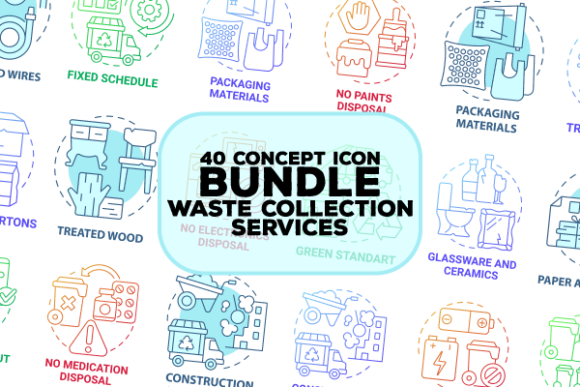
As a professional embroidery designer who spends more time behind a multi-needle machine than a computer screen, I approach every new digital asset with a healthy dose of skepticism. When I first opened the Waste Collection Services Icons Bundle, I wasn't looking for pretty pictures; I was looking for stitchability. This collection features recycling and disposal concept illustrations in a thin line color style with editable strokes. For those of us creating custom apparel, patches, or eco-friendly merchandise, this specific aesthetic presents both unique opportunities and distinct technical challenges that need to be addressed before you ever thread a needle.
First Impressions: Clean Lines vs. Stitch Reality
My immediate reaction to these graphics was appreciation for their modern, minimalist clarity. The isolated outline drawings have a contemporary feel that moves away from the cartoony, overly dense aesthetic often found in niche industry designs. Visually, they communicate professionalism and environmental awareness instantly. However, as an embroiderer, "thin line" is a phrase that triggers my caution instincts. In vector form, a line is infinitely scalable. In a machine embroidery design, that line must be translated into physical thread.
The editable stroke feature mentioned in the product description is the most critical asset here. It suggests flexibility, but it also means the digitizing responsibility falls heavily on the user or the digitizer. These icons are not pre-digitized embroidery files; they are source graphics. This distinction matters immensely for Etsy sellers and small shop owners. You aren't buying a ready-to-stitch file; you are acquiring high-quality design assets that require thoughtful translation into satin stitch or running stitch formats depending on your final application.
Real-World Application: The Eco-Friendly Tote Bag Project
To truly evaluate this bundle, I mentally applied it to a recent client request: a series of branded canvas tote bags for a local municipal recycling education program. The client wanted something that looked approachable yet official. The Waste Collection Services Icons Bundle fit the brief perfectly because the thin line style mimics the popular single-needle sketch embroidery trend currently dominating the handmade market.
For this tote bag design, I envisioned using a triple running stitch to replicate the vector lines on the uncoated canvas. Because the icons depict specific trash types and garbage collection concepts, clarity is non-negotiable. If the recycling symbol merges with the bin outline due to poor digitizing, the message fails. In this scenario, the bundle’s clean separation of elements allows for excellent stitch definition. I could easily isolate the recycling icon for a pocket placement and use the full garbage collection scene for the main panel. The result is a personalized gift or commercial product that feels bespoke rather than clip-art generic.
Technical Considerations for Apparel and Patches
While tote bags are forgiving, applying these icons to custom apparel like sweatshirts or baby clothes requires stricter parameters. Thin line illustrations can disappear on textured fabrics like fleece or terry cloth. If you are planning sweatshirt embroidery using this bundle, you must consider increasing the stitch density or adding a light fill stitch background to create contrast. Without this adjustment, the delicate lines may sink into the fabric pile, rendering the waste collection concept illegible.
For embroidered patches, these icons are exceptional candidates. The isolated nature of the drawings makes them easy to add merrowed edges or satin stitch borders. However, because the original art uses thin lines, you must verify that the details remain distinct when scaled down to a 3-inch patch size. Tiny lettering or intricate separation lines within the trash type icons might need to be simplified during the digitizing process to prevent thread breaks and bird nesting.
Navigating Fabric Limitations and Stabilizer Choices
I cannot stress enough how important stabilizer selection is when working with line-art styles derived from this bundle. On stretchy knits or performance wear, a standard tear-away stabilizer will likely cause distortion, making straight lines look wobbly and circles oval. For any commercial embroidery project involving these icons on unstable fabrics, use a cut-away stabilizer and potentially a water-soluble topping to keep the stitches crisp.
Dark fabrics present another hurdle. Thin white or light-colored lines on navy or black garments can look stark if the stitch count is too low. Conversely, increasing the stitch width to compensate can make the design look heavy and lose its intended "thin line" charm. Always test your digital embroidery file on a scrap of the actual garment material. Check thread colors against the fabric in natural light before committing to a full production run. What looks vibrant on a printable mockup might lack necessary contrast on physical textile.
Commercial Viability for Makers and Sellers
For Etsy sellers and creative entrepreneurs, the value of this bundle lies in its versatility across product categories. Beyond apparel, these icons work beautifully for nursery decor and baby embroidery, provided the lines are softened slightly to avoid a harsh industrial look. They are equally suited for kitchen towels and aprons, where the waste management theme is functionally relevant. The ability to edit strokes means you can adapt the weight of the design to match the weight of the fabric, maintaining brand consistency across diverse inventory.
However, a word of caution regarding licensing and usage. Always confirm the specific terms included with the Waste Collection Services Icons Bundle before selling finished products or digital embroidery files. While the graphics are ideal for creating unique handmade products, ensuring you have the right to sell the digitized versions or the physical items is paramount for protecting your craft business. Professionalism isn't just about stitch quality; it's about respecting intellectual property and delivering safe, compliant products to your customers.
Designer Notes for Successful Implementation
Before you load these icons into your digitizing software, take these practical steps to ensure success:
- Verify Hoop Size Compatibility: Ensure the icon dimensions fit comfortably within your hoop size with adequate margin for stabilization. Do not force a large scene into a small hoop by shrinking it below the minimum legible threshold.
- Test Stitch Density: Create a test swatch specifically for the thinnest lines in the bundle. Adjust your pull compensation settings, as thin lines are prone to shrinking and distorting during stitching.
- Evaluate Detail Retention: Zoom in on the trash type illustrations. If internal details are smaller than 1mm, simplify them. Embroidery machines cannot accurately render microscopic vector details without risking mechanical issues.
- Mockup Realistically: Use printable mockups that simulate thread texture rather than flat vector overlays. This helps identify potential contrast issues before wasting materials.
- Check Washability: If creating items for frequent washing like baby clothes or kitchen linens, ensure your stitch type is secure. Running stitches may fray over time; consider a bean stitch or narrow satin stitch for durability.
Ultimately, the Waste Collection Services Icons Bundle offers a sophisticated foundation for niche embroidery projects. It bridges the gap between utilitarian subject matter and modern design aesthetics. By approaching these graphics with technical respect and testing rigorously, makers can transform simple vector outlines into high-value, tangible goods that resonate with eco-conscious consumers. Whether you are producing a single personalized gift or a full line of boutique merchandise, let the quality of your execution elevate the simplicity of the source art.