Nepal Cultural Heritage Graphics & Icons Review
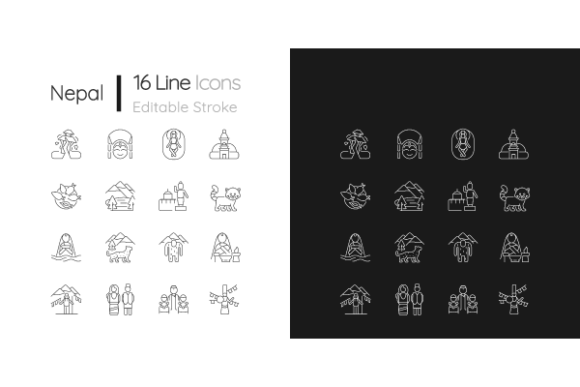
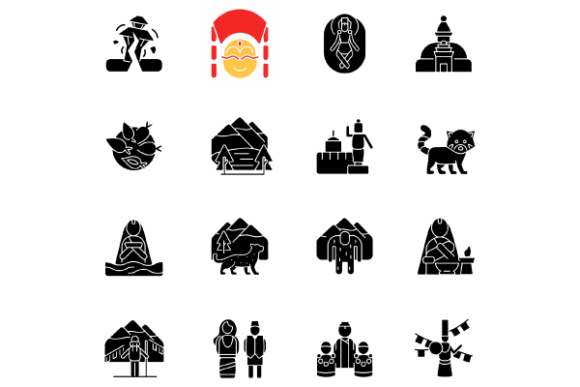
As a handmade business owner who specializes in travel-inspired merchandise and cultural appreciation collections, I am always on the hunt for authentic graphic design assets that go beyond generic clipart. When I first opened the Nepal Cultural Heritage Glyph Icons Set, my immediate impression was one of bold, respectful minimalism. Unlike intricate line art that can get lost in translation from screen to vinyl, these black glyph icons on white space offer a striking silhouette style that feels both premium and versatile. The mood is distinctly grounded and reverent, capturing the essence of religious festivals, historic architecture, and mountaineering destinations without feeling cluttered or cartoonish.
For fellow Etsy sellers and craft fair vendors, this aesthetic suggests a customer base that values meaningful souvenirs over cheap trinkets. It appeals to travelers, yoga practitioners, history enthusiasts, and those with a deep connection to Himalayan culture. The solid vector isolated illustration style tells me immediately that this set was designed with scalability in mind, which is crucial when you are designing everything from small planner stickers to large tote bags. It strikes a balance between decorative and functional, making it an excellent candidate for a cohesive seasonal collection or a niche shop branding refresh.
Real-World Applications for Cricut and Silhouette Projects
In my workshop, I tested this SVG design specifically for vinyl cutting projects, as silhouettes can sometimes be tricky if the nodes aren't clean. For Cricut project workflows, these icons performed exceptionally well on adhesive vinyl for water bottles and laptop decals. Because they are solid shapes rather than detailed outlines, weeding was effortless. There were no tiny interior pieces to pick out, which significantly reduced production time for a batch of custom tumblers I was preparing for a local market.
For Silhouette project users working with heat transfer vinyl (HTV), these graphics are ideal for t-shirt design. I created a test press using black HTV on a natural linen shirt, and the crisp edges of the pagoda and prayer wheel symbols transferred perfectly. The bold nature of the glyphs ensures readability even from a distance, which is vital for apparel. Beyond vinyl, this set shines as a sublimation design asset. I incorporated the mountaineering and tourist attraction icons into a tumbler wrap layout, pairing them with a subtle watercolor mountain background. The high contrast of the black glyphs against softer painted elements created a professional, layered look that sells well in the creative marketplace.
Printable products also benefit immensely from this collection. As a printable design resource, the PNG files are perfect for digital planners, scrapbooking kits, and greeting cards. I used the religious festival icons to create a series of thank-you cards for my own handmade business, and the clean lines printed sharply on matte cardstock. For those running a print-on-demand service, these isolated illustrations serve as excellent focal points for mugs, phone cases, and wall art without requiring extensive editing.
Where These Icons Shine and Where to Tread Carefully
While the Nepal Cultural Heritage Glyph Icons Set is robust, understanding its strengths and limitations will save you wasted materials. This asset works best in applications where bold visual impact is required. Large cut files for window decals, wooden signs, and laser-cut ornaments are prime use cases. They are also fantastic for small business branding, serving as consistent visual markers across packaging, tags, and social media templates. If you are creating a design bundle for other makers, these icons provide essential structural elements that anchor more ornate designs.
However, caution is needed for very small-scale applications. Because these are silhouettes, internal details are implied by negative space. If you shrink a complex architectural icon down to a half-inch sticker size, those negative spaces may close up during cutting or printing, resulting in an unrecognizable blob. I would avoid using the most intricate temple icons for tiny jewelry tags or detailed layering projects where precision is paramount. Additionally, while the black-on-white format is classic, be mindful when placing these on dark backgrounds without modification; ensure your software supports color changing for the SVG, or use the PNG version with a transparent background to maintain visibility.
Essential Technical Checks Before Selling Finished Products
Before listing any item featuring these design assets in your shop, run through this practical checklist to ensure quality and compliance:
- Verify Line Integrity: Always open the SVG in your cutting software first. Zoom in to 400% to check for stray nodes or open paths that could cause your machine to make unnecessary cuts.
- Test Transparency: Preview the PNG files against both white and colored backgrounds to confirm the transparency is clean. Jagged edges on a PNG can ruin a professional product mockup.
- Resolution Confirmation: For sublimation or large-format printing, verify the DPI. While vectors scale infinitely, rasterized versions need to be at least 300 DPI at final print size to avoid pixelation.
- Font Pairing Strategy: These bold glyphs carry significant visual weight. Pair them with elegant serif fonts for a traditional heritage feel, or clean sans-serif typefaces for modern travel gear. Avoid overly thick display fonts that compete with the icon's density.
- Licensing Compliance: This is non-negotiable. Review the commercial license terms included with the set. Confirm whether you can use the icons "as-is" or if they must be incorporated into a new, unique design. Most licenses require modification for Etsy product listings to prevent direct resale of the digital file.
- Mockup Testing: Never rely solely on the digital preview. Place the icon on a realistic mockup of your intended product. A symbol that looks great on screen might appear too heavy on a delicate ceramic mug or too sparse on a large canvas tote.
Building a Cohesive Collection with Cultural Assets
Integrating the Nepal Cultural Heritage Glyph Icons Set into your workflow offers more than just individual designs; it provides a thematic foundation for storytelling. In the handmade community, customers connect with the narrative behind the product. When I use these illustration assets, I am not just selling a sticker or a shirt; I am offering a piece of cultural appreciation. Whether you are designing for a specific craft fair with a global theme or building a year-round travel niche shop, consistency is key.
Use these icons as recurring motifs across different mediums to build brand recognition. A customer who buys a notebook with the stupa icon today should recognize the matching luggage tag tomorrow. This cross-product synergy is what turns a one-time buyer into a loyal patron. Furthermore, because these are vector-based, they adapt seamlessly to various digital product formats, allowing you to expand your inventory without redrawing assets.
Ultimately, this set represents a valuable tool for the serious crafter. It respects the source material while providing the technical cleanliness required for commercial production. By approaching these graphics with intention—testing thoroughly, respecting licensing, and designing with the end product in mind—you can elevate your handmade offerings and create goods that honor Nepal’s rich heritage with authenticity and craftsmanship. Remember, the best clipart doesn't just fill space; it communicates value, and this collection certainly delivers on that promise for the dedicated maker.