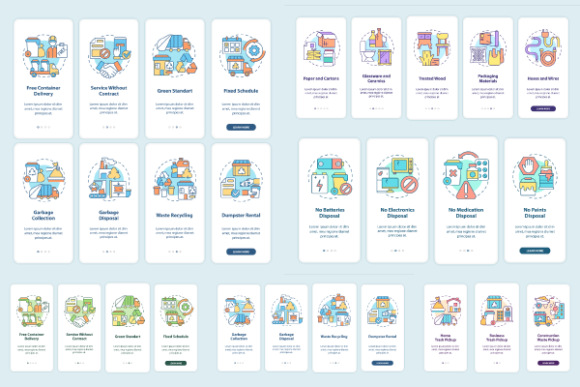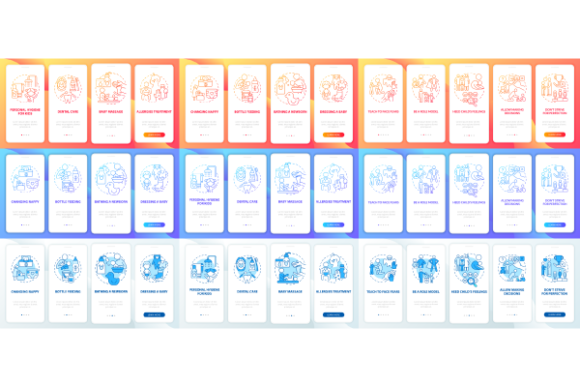
Mobile App Page Design Layout Bundle: Modern Graphics for UX/UI Kits
First Impressions: Clean, Contemporary, and Clickable
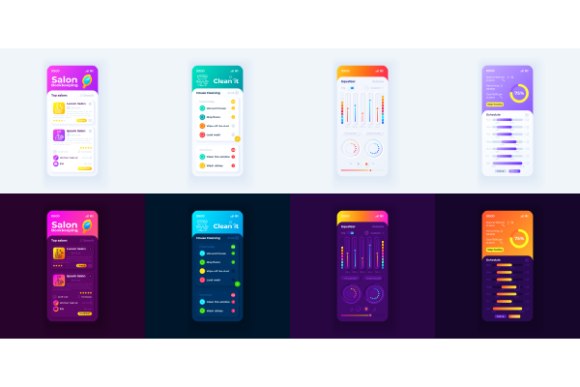
The Mobile App Page Design Layout Bundle immediately stands out with its crisp, flat design aesthetic. As a blog designer and digital publisher, I appreciate how it balances modernity with usability. The color palette leans toward soft, approachable tones, giving it a lifestyle-friendly and slightly playful edge—perfect for content creators targeting wellness, music, or digital lifestyle niches.
From a visual communication standpoint, this design asset brings a sense of order and clarity. The interface elements feel intuitive, which is key for editorial layouts that need to guide the reader’s eye without overwhelming them. It's not overly technical, so it works well for audiences that value approachability over complexity—think bloggers, online educators, and affiliate marketers who want to showcase digital tools in a friendly, engaging way.
Real-World Use: From Blog Graphics to Social Media Visuals
One of the standout features of this graphic design asset is its versatility across publishing formats. Whether you're crafting a featured blog image, a Pinterest pin, or a newsletter header, the layout translates well into multiple visual contexts. Here’s where I’ve found it particularly effective:
- Blog featured images – The layout’s structured interface makes it easy to overlay headlines or topic tags without losing clarity.
- Pinterest graphics – The bold, flat UI elements stand out in Pinterest’s visual feed, increasing click-through potential.
- Newsletter banners – Its clean layout pairs well with both serif and sans-serif fonts, making it adaptable to different brand voices.
- Digital guides and worksheets – The design works as a subtle background for downloadable content, enhancing readability without distraction.
- Social media posts – Especially effective for Instagram Stories or Facebook posts that highlight app interfaces or digital product features.
It also integrates smoothly into Canva templates, making it ideal for content creators who build visuals quickly without sacrificing quality. For affiliate marketers, this bundle can be used to visually represent app-based products, giving your promotional content a more professional edge.
How It Elevates Content Performance
Visuals matter more than ever in content marketing. This Mobile App Page Design Layout Bundle helps improve several key performance indicators:
- Stronger first impression – Clean layouts immediately communicate professionalism and trust.
- Clearer visual hierarchy – Interface elements guide the reader’s eye naturally toward focal points like headlines or call-to-action buttons.
- Better click-through potential – Especially for Pinterest or social media thumbnails, the design’s contrast and structure stand out in feeds.
- Consistent branding – When used across blog graphics, newsletter headers, and social posts, it reinforces a unified brand identity.
- Improved reader trust – A polished layout signals that the content is well-crafted and worth engaging with.
Where This Design Asset Works Best
Based on testing across real publishing workflows, here are the best use cases for the Mobile App Page Design Layout Bundle:
- Hero images – Use it as a backdrop for landing pages or lead magnets to give a modern digital feel.
- Article thumbnails – Its structured layout helps categorize content visually, especially for tech or lifestyle blogs.
- Pinterest pins – The vibrant, flat UI ensures your pins don’t get lost in the visual noise of Pinterest feeds.
- Blog graphics – Ideal for tutorial-style posts that include screenshots or app walkthroughs.
- Newsletter headers – Adds a visual hook to email campaigns without overpowering the message.
- Social media previews – Perfect for teaser images that promote blog posts or downloadable resources.
Where to Use It Carefully
While versatile, this graphic design asset isn’t a one-size-fits-all solution. Here are some scenarios where caution is advised:
- Small mobile thumbnails – Some UI elements may become too detailed or hard to read at tiny sizes.
- Text-heavy blog images – If your layout requires a lot of copy overlay, the design might feel cluttered.
- Low-contrast backgrounds – Light-on-light combinations can reduce readability, especially with sans-serif fonts.
- Busy layouts – If your site already has a lot of visual texture, this layout could add visual fatigue.
- Serious professional niches – Financial, legal, or corporate blogs may find it too casual for their tone.
Publisher Notes: Test, Optimize, and License Check
Before deploying the Mobile App Page Design Layout Bundle across your site, take a few practical steps to ensure it performs well and aligns with your brand:
- Test on desktop and mobile screens – Make sure it scales well and remains legible on smaller devices.
- Preview as a thumbnail – Does it still look recognizable and appealing at 150x150 pixels?
- Place it inside a real blog layout – See how it interacts with your existing typography, sidebar, and navigation.
- Try different fonts – Test it with serif, sans-serif, script, and display fonts to see which combinations feel most cohesive.
- Check contrast and readability – Ensure text overlays remain legible, especially in grayscale or on dark mode.
- Review file size – Optimize for web performance to avoid slowing down your pages.
- Confirm commercial licensing – Especially important if you’re using it on monetized websites, affiliate pages, or paid digital products.
Final Thoughts: A Valuable Asset for Visual Content Creators
The Mobile App Page Design Layout Bundle is a strong addition to any content creator’s toolkit—especially those in lifestyle, music, or digital education niches. It offers a clean, modern aesthetic that supports a wide range of content marketing goals, from boosting visual appeal to reinforcing brand identity.
Whether you're designing a lead magnet, crafting a digital guide, or preparing a media kit, this UX/UI kit delivers both style and functionality. With thoughtful implementation and testing, it can elevate your blog visuals, newsletter design, and overall editorial presence—making your content not only look better but perform better too.