Emergency Situation Brochure Templates: A Designer’s Real-World Embroidery Review
First Impressions: Clean, Informative, and Ready for Customization
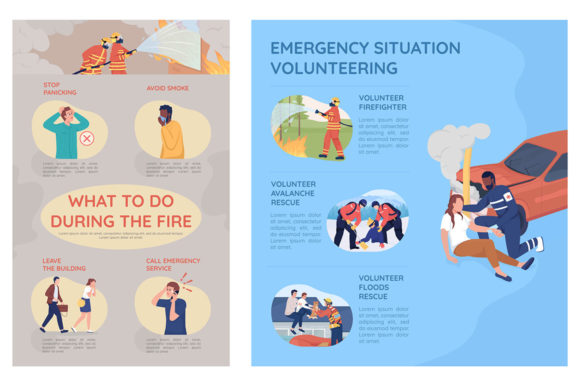
When I first opened the Emergency Situation Brochure Templates package, I was struck by the clarity and purpose behind the design. This isn’t a flashy graphic—it’s informative, organized, and built with usability in mind. The flat illustration style gives it a modern, approachable feel, and the layout is clearly structured for text integration. As an embroidery designer, I immediately started visualizing how this design could translate into stitched form, especially for projects that require a professional, educational, or community-driven aesthetic.
Real-Life Use: From Digital Template to Embroidered Product
Let’s say I’m creating a custom embroidered tote bag for a local volunteer group. I want to incorporate a design that communicates readiness and preparedness without being too literal. The Emergency Situation Brochure Templates offer just the right balance of imagery and negative space, making them adaptable to various embroidery techniques. Whether I’m working on a sweatshirt for team uniforms or a patch for volunteer identification, the design’s minimal detail level makes it suitable for both small and large-scale embroidery.
Visual Personality and Embroidery Fit
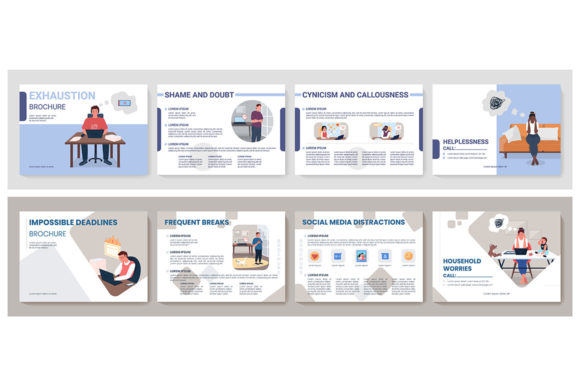
This design carries a calm, informative tone. It feels like a brochure you’d find at a community center or hospital—helpful, not alarming. That makes it ideal for embroidery projects that need to convey readiness without fear. I can see it working well on baby items with a soft message about safety, or on boutique-style aprons for a local fire department fundraiser. The cartoon reports and infographic elements in the template translate well into satin and fill stitches, especially when paired with a clean thread palette.
How It Performs in Different Embroidery Applications
The Emergency Situation Brochure Templates hold up surprisingly well across a variety of materials and product types. Here’s how I see it performing in real embroidery situations:
- Custom Apparel: Works best on structured fabrics like twill or sweatshirt fleece. The design’s clean lines and open spaces prevent thread buildup, which is key for breathable, wearable items.
- Tote Bags & Aprons: Great for adding a subtle, branded message. Use a mid-sized hoop and a simple layout to keep the design readable and not overwhelming.
- Baby Embroidery: Perfect for embroidered onesies or bibs with a safety-themed message. Just make sure to avoid dense stitch areas near sensitive skin.
- Embroidered Patches: Ideal for creating reusable volunteer patches or community badges. The flat design style ensures crisp edges and clear details.
- Holiday or Event Gifts: Can be customized with names or dates for limited edition embroidered tea towels or pillow covers.
Where to Use It Carefully
While versatile, the Emergency Situation Brochure Templates do have some limitations in embroidery. Be cautious when applying to:
- Small hoop sizes: The design may lose clarity if scaled down too much.
- Textured or stretchy fabrics: These can distort the clean lines of the template.
- Dark fabric backgrounds: Some details might get lost unless thread contrast is carefully chosen.
- Curved surfaces like caps: You may need to simplify or reposition parts of the design.
- Detailed corners and lettering: Small text areas might require digitizing adjustments.
Impact on Product Quality and Customer Perception
From a business perspective, using the Emergency Situation Brochure Templates in embroidery can elevate the perceived professionalism of your finished product. When stitched cleanly, the design adds a polished, informative edge—perfect for Etsy sellers offering custom volunteer gear or boutique items with a cause. It also helps with brand consistency, especially if you’re creating merchandise for local organizations or events.
Customers appreciate designs that feel intentional and purposeful. This one doesn’t scream “emergency”—it whispers “preparedness,” which is often more marketable. For handmade shops, that kind of subtlety can make the difference between a one-time buyer and a returning customer.
Design Notes for Embroidery Success
Before stitching the Emergency Situation Brochure Templates into your next project, here are some practical steps I recommend:
- Test on scrap fabric first to see how the stitch density and detail hold up.
- Check thread color contrast, especially on dark or textured materials.
- Review stitch density to avoid puckering or stiffness in soft fabrics.
- Confirm hoop size compatibility with your machine and intended placement.
- Inspect small details like text or thin lines—they may need digitizing tweaks.
- Test in black and white mockups to ensure clarity without color cues.
- Compare light and dark fabric backgrounds to see which version reads best.
- Use proper stabilizer for stretchy or delicate materials.
- Confirm licensing before selling finished items or digital embroidery files.
Final Thoughts: A Practical Design for Purpose-Driven Embroidery
The Emergency Situation Brochure Templates aren’t just another digital download—they’re a thoughtful, flexible design that can translate beautifully into real-world embroidery. Whether you're an Etsy seller crafting personalized volunteer gear, a small shop owner making boutique safety-themed items, or a creative entrepreneur digitizing designs for resale, this template offers a clean, adaptable base for a wide range of applications.
As with any embroidery file, success comes down to understanding the design’s strengths and limitations. With a bit of testing and thoughtful application, this design can become a go-to asset in your embroidery toolkit—especially for projects that need to communicate preparedness, clarity, and community spirit.